Pennsylvania’s new construction market is in the middle of a meaningful transformation. Shifting demographics, persistent affordability pressures, and evolving buyer values are reshaping what the 2026 buyer wants — and what it takes to deliver it. Interest rate variability and material costs remain real headwinds, but real opportunities are emerging for builders, developers, and real estate professionals who can read what’s coming and get ahead of it. Here are five strategies that will define the winners in this market.
Strategy 1: Prioritize Diverse Housing Typologies to Meet Demand
One-size-fits-all development is increasingly a liability. The 2026 buyer pool is more varied than ever — young professionals, downsizing empty nesters, small families, first-time buyers — and the product mix has to reflect that. Success increasingly hinges on delivering a range of housing types that meet different lifestyles and budgets within the same community.
The Strategic Rise of Attached Homes
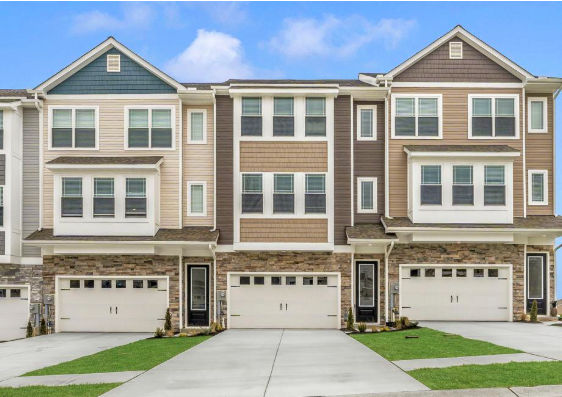
Nowhere is this shift clearer than in the demand for new construction townhomes, similar to those offered by LGI Homes. Pennsylvania markets are embracing them eagerly, and for good reason. Townhomes occupy the sweet spot between single-family detached and condo living — offering modern amenities, a sense of community, low-maintenance living, and a more accessible price point than a detached home. For young professionals, smaller families, downsizers, and first-time new home buyers who don’t want to give up quality or neighborhood feel, they’re often the answer.
Balanced Product Lines
The strongest communities in 2026 won’t be built around a single product type. A deliberate portfolio balance — townhomes for accessibility, detached single-family homes for growing families, and attached villas or ranch-style options for active adults — both mitigates market risk and creates multi-generational neighborhoods that feel genuinely alive. Developments with a diverse product mix tend to sell more consistently and hold value more durably over time.
Strategy 2: Make Advanced Energy Efficiency a Standard, Not an Upgrade
Energy efficiency is no longer a premium tier feature in Pennsylvania’s new construction market — it’s a baseline expectation. Buyers arrive informed in 2026. They’ve done the math on utility bills and they understand what high-performance construction means for their monthly costs. Builders who treat efficiency as a fundamental design principle, rather than an optional add-on, will have a clear competitive advantage.
Features That Move the Needle
The features that buyers notice and respond to most include:
- Solar-ready roof construction
- Superior insulation and comprehensive air sealing
- ENERGY STAR® certified appliances and windows
- Smart home energy management systems that let owners monitor and optimize consumption in real time
The Value Justification
Translating energy specs into dollars is your most powerful sales tool. When you can show a buyer what their monthly utility savings will look like versus a comparable older home, you’ve turned a construction specification into a compelling financial story. That message resonates with cost-conscious buyers and eco-aware buyers alike — and it justifies a premium price point with hard numbers.
Strategy 3: Master the Inventory Home Model for Buyers Who Need to Move Now
A significant portion of the 2026 buyer pool can’t wait 6–10 months for a to-be-built home. Relocating professionals, buyers in time-sensitive situations, and those who simply want the certainty of knowing their exact move-in date and final cost are actively seeking move-in ready homes in Pennsylvania. Builders who can deliver that certainty will capture buyers that custom build programs simply cannot serve.
Strategic Spec Planning
The key is intentional inventory planning. Focus on floor plans with broad appeal, neutral finishes that photograph well and feel current without being polarized, and the energy-efficient features from Strategy 2 already built in. A well-planned spec home isn’t a risk — it’s a targeted product with a clearly defined buyer.
Marketing the “Now” Opportunity
Market these homes directly and aggressively. High-quality photography, virtual tours, and clear messaging about immediate availability and included features are essential. Lead with the date — buyers who need to move want to know immediately whether a home can work for them. A turnkey narrative that emphasizes certainty and convenience will outperform feature-list marketing every time with this audience.
Strategy 4: Actively Guide Buyers Through Financing and Assistance Programs
Affordability is the primary barrier between many potential buyers and a signed contract in 2026. The builders and sales teams that solve that problem — not just acknowledge it — will close more sales. That means becoming genuinely knowledgeable about the first-time homebuyer programs Pennsylvania offers and making that education a proactive part of the sales process.
Key PHFA Programs for 2026
The Pennsylvania Housing Finance Agency (PHFA) offers several programs worth knowing well:
- Keystone Home Loan: The flagship first mortgage program offering competitive interest rates for eligible buyers, including first-time purchasers and buyers in targeted counties.
- Keystone Advantage Assistance: A 0% interest assistance loan providing up to 4% of the purchase price (maximum $6,000) in down payment and closing cost help, repaid in monthly installments over 10 years.
- K-FIT Program: A forgivable assistance loan equal to 5% of the purchase price (no dollar cap), forgiven at 10% per year over 10 years — effectively free money for buyers who stay in the home.
- Mortgage Credit Certificates (MCCs): A separate PHFA program that provides an annual federal tax credit on a portion of mortgage interest paid each year, reducing the buyer’s tax liability for the life of the loan.
Building Strategic Lender Partnerships
Partner with preferred lenders who are genuine experts in PHFA programs — not just nominally aware of them. Integrate financing education early in your sales funnel, well before buyers feel the sticker shock of commitment. Communities that position themselves as partners in getting buyers to the closing table will build a reputation that generates referrals long after the initial sale.
Strategy 5: Hyper-Localize Your Marketing and Tell a Community Story
In a competitive market, square footage and finish packages are table stakes. What actually converts buyers — especially buyers relocating from out of state or making their first purchase — is a clear, emotionally resonant picture of what their life will look like in that community. Hyper-localized marketing delivers that.
Sell the “Where” as Much as the “What”
Build marketing content that goes deep on local context: top-rated school districts, parks and trail systems, retail and dining options, commute times, and planned future developments that will enhance the area’s value. Buyers aren’t just buying a home — they’re buying into a neighborhood and a daily life. Help them see it.
Immersive Storytelling Tools
Virtual tours and drone footage that show the home in the context of its community are increasingly essential. Resident testimonials and “day in the life” narratives build authentic social proof that no brochure can replicate. Buyers want to see themselves in the space — give them every tool to do that before they ever schedule a visit.
Tailor by Region
Pennsylvania is not one market there. The walkable suburban appeal that drives demand near Philadelphia doesn’t carry the same weight in Pittsburgh’s expanding tech corridors or in the family-oriented communities of the Lehigh Valley. Marketing messages that feel written for the specific buyer in a specific region build trust in ways that generic content never will. Authenticity and regional specificity are not optional extras in 2026 — they’re the baseline.
Building for Success in Pennsylvania’s 2026 Market
The path forward in Pennsylvania’s 2026 new construction market comes down to one thing: understanding what buyers actually need and building your product, your financing ecosystem, and your marketing around those realities.
Diversify your housing typologies. Make energy efficiency a standard. Have move-in ready inventory for buyers who can’t wait. Know the PHFA programs cold and use them as a sales tool. And tell a story about the community, not just the house.
Builders and developers who execute on these five strategies won’t just survive 2026 — they’ll be positioned for the years that follow. The market rewards adaptability. The opportunity is there for those willing to meet buyers where they actually are.
Other Sources:
Pennsylvania Housing Market 2026: https://www.houzeo.com/housing-market/pennsylvania